
HMO Fire Risk Assessments
Fire Risk Assessments for Houses in Multiple Occupation
Helping landlords, letting agents and managing agents meet their fire safety duties, satisfy licensing requirements and protect the people living in their buildings.
At Hielaman Ltd, we carry out fire risk assessments for houses in multiple occupation, from shared houses and bedsits to larger licensable properties and student accommodation.
HMOs carry a higher fire risk than single household dwellings. People who do not know one another share cooking facilities and escape routes, occupancy changes frequently, and many of these buildings were converted rather than purpose built.
Our assessments identify the hazards present, appraise the fire safety measures already in place and set out a clear, prioritised action plan the Responsible Person can actually work through.
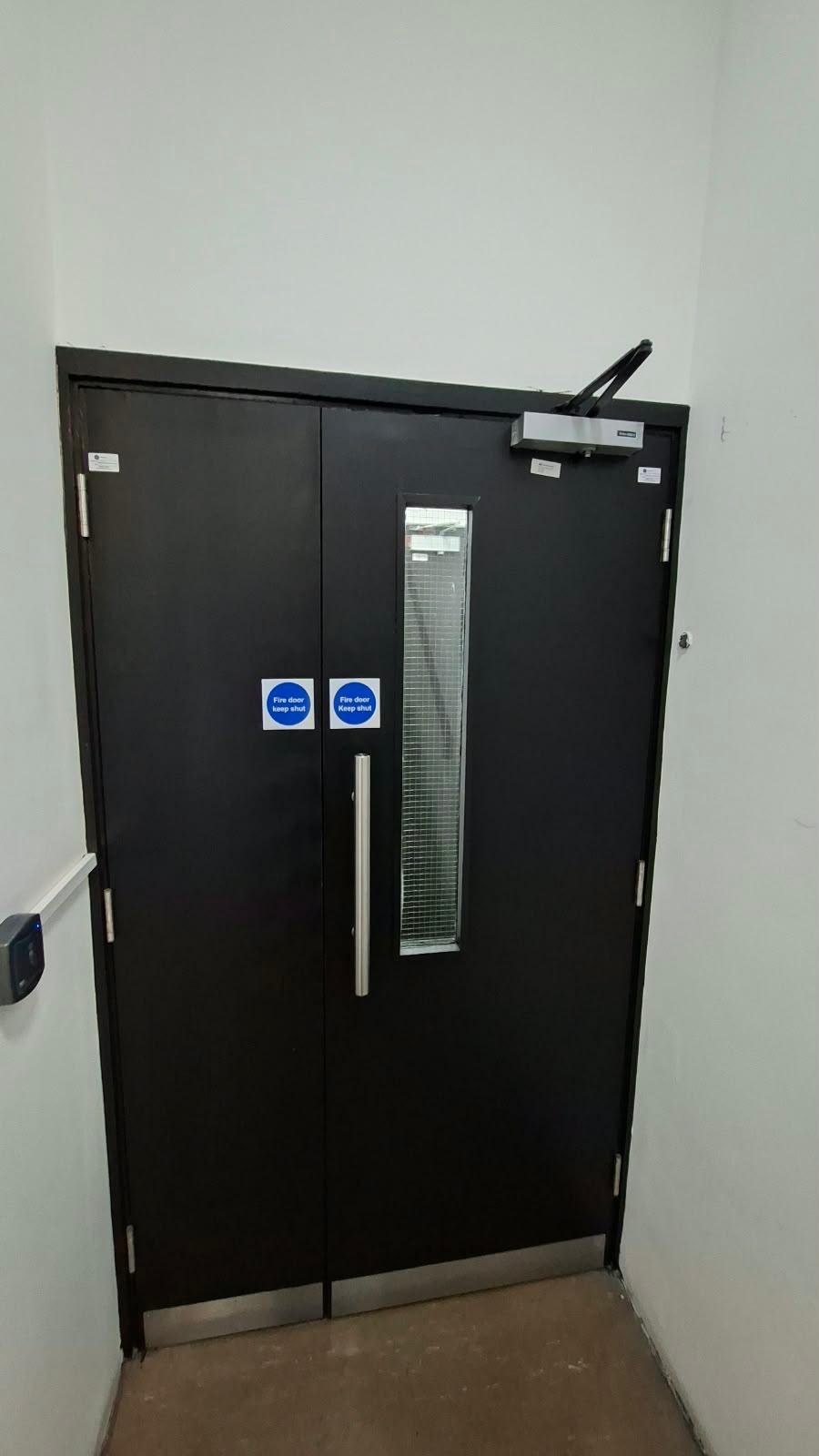
Why HMOs Need a Different Approach
A fire risk assessment written for a single household dwelling does not transfer to a building where several households live independently under one roof.
The risks in an HMO come as much from how the building is occupied and managed as from its construction. An assessment has to account for both.
Factors we account for
- Occupants who do not know one another and may not respond to an alarm in the same way.
- Shared kitchens and cooking facilities, a common point of ignition.
- Higher tenant turnover, so fire safety instructions have to be repeated rather than assumed.
- Bedrooms used as self-contained living space, often with their own heating and electrical load.
- Escape routes that pass directly through, or alongside, higher risk rooms.
- Converted buildings where original compartmentation has been altered over time.
- Varied occupant mobility, working patterns and sleeping hours across one building.
Your Duties as a Landlord or Manager
Fire safety in HMOs is governed by more than one regime, which is part of why it is so often misunderstood.
The Regulatory Reform (Fire Safety) Order 2005 applies to the common parts of a multi-occupied residential building and places duties on the Responsible Person, which in most HMOs is the landlord or the managing agent.
The Housing Act 2004 brings fire safety within the Housing Health and Safety Rating System, which local authorities use to assess hazards across the whole property including the lettings themselves.
Licensable HMOs carry further conditions set by the local authority, and the Management of Houses in Multiple Occupation (England) Regulations 2006 place additional duties on the manager.
The practical position
In practice, most HMO fire safety standards are applied by reference to the LACORS fire safety guidance, which remains the benchmark local authorities and housing officers work to for existing residential accommodation.
We assess against that guidance and report in the same terms, so that findings are recognisable to the officer reviewing them and defensible if they are challenged.
Where a property is being licensed, or a licence is being renewed, we can structure the report to sit alongside the application.
What Does Our HMO Fire Risk Assessment Cover?
Our assessments are carried out on site and consider the building, its occupancy and the management arrangements behind it, following the established five step approach to fire risk assessment.
Means of Escape
Assessment of escape routes from each letting, travel distances, protected routes, final exits and whether escape remains viable with a fire in the most likely locations.
Fire Detection and Alarm
Review of the detection system against the building's layout and occupancy, including grade and category, interlinking, coverage of risk rooms and escape routes, and the arrangements for testing.
Emergency Lighting
Consideration of escape route lighting, coverage at changes of level and final exits, and the testing and maintenance arrangements in place.
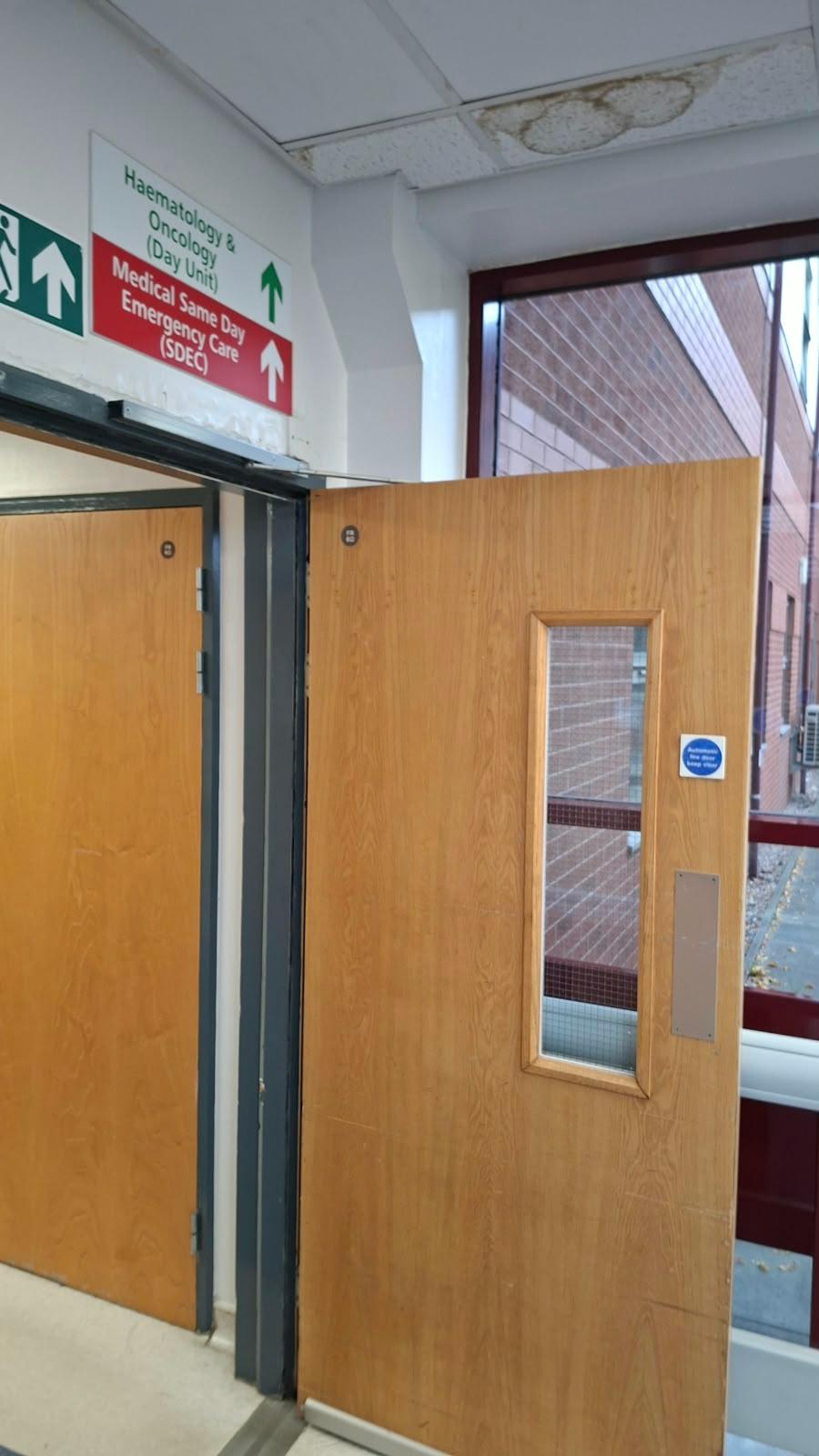
Fire Doors and Compartmentation
Inspection of accessible fire doors, letting entrance doors and the separation between lettings, risk rooms and escape routes, including evidence of alterations and unsuitable repairs.
Cooking and Ignition Sources
Assessment of shared and in-room cooking arrangements, heating appliances, electrical loading and the storage of combustible materials.
Fire Fighting Equipment
Review of extinguishers and fire blankets, their suitability for the risks present, their siting and their servicing records.
Signage and Occupant Information
Assessment of escape route signage, fire action notices and the information given to occupants, which matters more where turnover is high.
Management Arrangements
Review of testing records, maintenance regimes, housekeeping, means of raising the alarm and the arrangements the Responsible Person has in place day to day.
What You Receive
You receive a written fire risk assessment that records what was found, why it matters and what to do about it, in that order.
Every action is graded, so the difference between something that needs attention this week and something that belongs in next year's budget is clear on the page rather than left to interpretation.
Included in the report
- A record of the premises, its layout and the occupancy at the time of assessment.
- Identified hazards and the people at risk from them.
- An appraisal of the existing fire safety measures.
- Photographic evidence supporting significant findings.
- A risk-based action plan, with each action graded by priority.
- Clear recommendations written so the Responsible Person can act on them or budget for them.
- A review date and the circumstances that would warrant earlier reassessment.
Who We Work With
We work with anyone carrying a fire safety duty in multi-occupied residential property, whether that is a single shared house or a managed portfolio.
- Private landlords with one property or a portfolio.
- Letting and managing agents acting for landlords.
- Student accommodation providers.
- Housing associations and supported housing providers.
- Property investors assessing risk before purchase.
- Local authority licence applicants and licence holders.
Request an HMO Fire Risk Assessment
Whether you are preparing a licence application, responding to a local authority notice or simply making sure a property is safe, we can assess it and tell you plainly where it stands.
Tell us the address, the number of lettings and how the property is occupied, and we will come back to you with a quotation.
Discuss your HMO fire safety requirements
Contact Hielaman Ltd today to discuss your property or request a quotation.
Request a Quotation