
Construction Fire Safety
Construction Phase Fire Plans and Site Fire Risk Assessments
A construction site changes every week. The fire safety arrangements have to change with it, which is exactly what most site fire plans fail to do.
Hielaman Ltd prepares construction phase fire plans and site fire risk assessments for contractors, developers and project teams working on live construction and refurbishment sites.
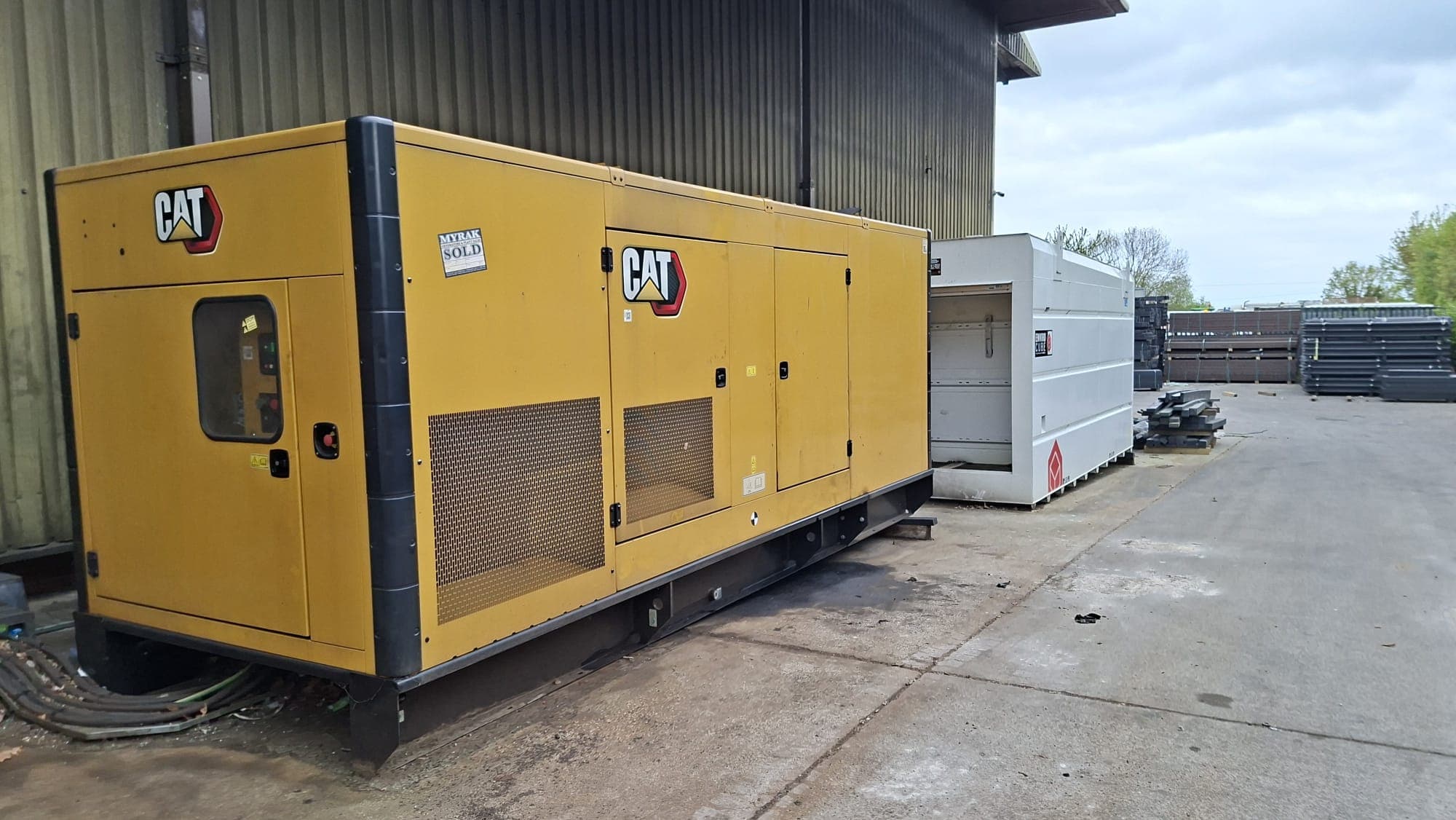
A construction site is the one environment where the fire safety measures a finished building relies on are either absent, incomplete or deliberately removed. Compartmentation is open, escape routes move, and the work itself introduces ignition sources.
We produce plans designed to evolve alongside the programme, in line with PAS 9970-1:2026, so the document reflects the site as it is rather than the site as it was at mobilisation.
Why a Site Needs Its Own Fire Plan
A fire risk assessment written for a completed building assumes the building is finished. On site, almost none of those assumptions hold.
The most common failure we see is not an absent plan. It is a plan written at mobilisation, filed, and never revisited while the site moved on underneath it.
What makes sites different
- The building changes week to week, so an assessment written once is out of date almost immediately.
- Compartmentation and protected routes are often incomplete or deliberately breached during the works.
- Fire detection and alarm systems may be partially installed, isolated or absent entirely.
- Hot works introduce ignition sources into areas that will never see them again once the building is occupied.
- Temporary electrical installations and charging arrangements carry risks the permanent installation will not.
- Combustible materials and packaging accumulate quickly, often close to the work creating the ignition risk.
- The workforce changes continually, so induction and fire awareness cannot be assumed.
- Site accommodation is frequently sleeping-adjacent, closely spaced and built from lighter construction.
Working to PAS 9970-1:2026
PAS 9970 sets out a code of practice for fire risk management during construction, refurbishment and demolition, and it reflects how these sites actually behave.
Its central principle is that fire risk on site is managed continuously rather than assessed once. The plan is a working document tied to the programme.
We build plans on that basis, with review triggers attached to the phases of the works, so the document stays connected to what is happening on the ground.
Why it matters commercially
Site fires are disproportionately expensive. The structure is exposed, the suppression measures are not yet in place, and the programme stops.
Insurers increasingly ask what arrangements are in place before cover is confirmed, and principal contractors are asked to evidence them.
A plan that reflects the live site is worth considerably more than one that satisfies a filing requirement.
What the Plan Covers
We assess the site as it stands and as it is programmed to change, then set out the arrangements required at each stage.
Fire Hazard Identification
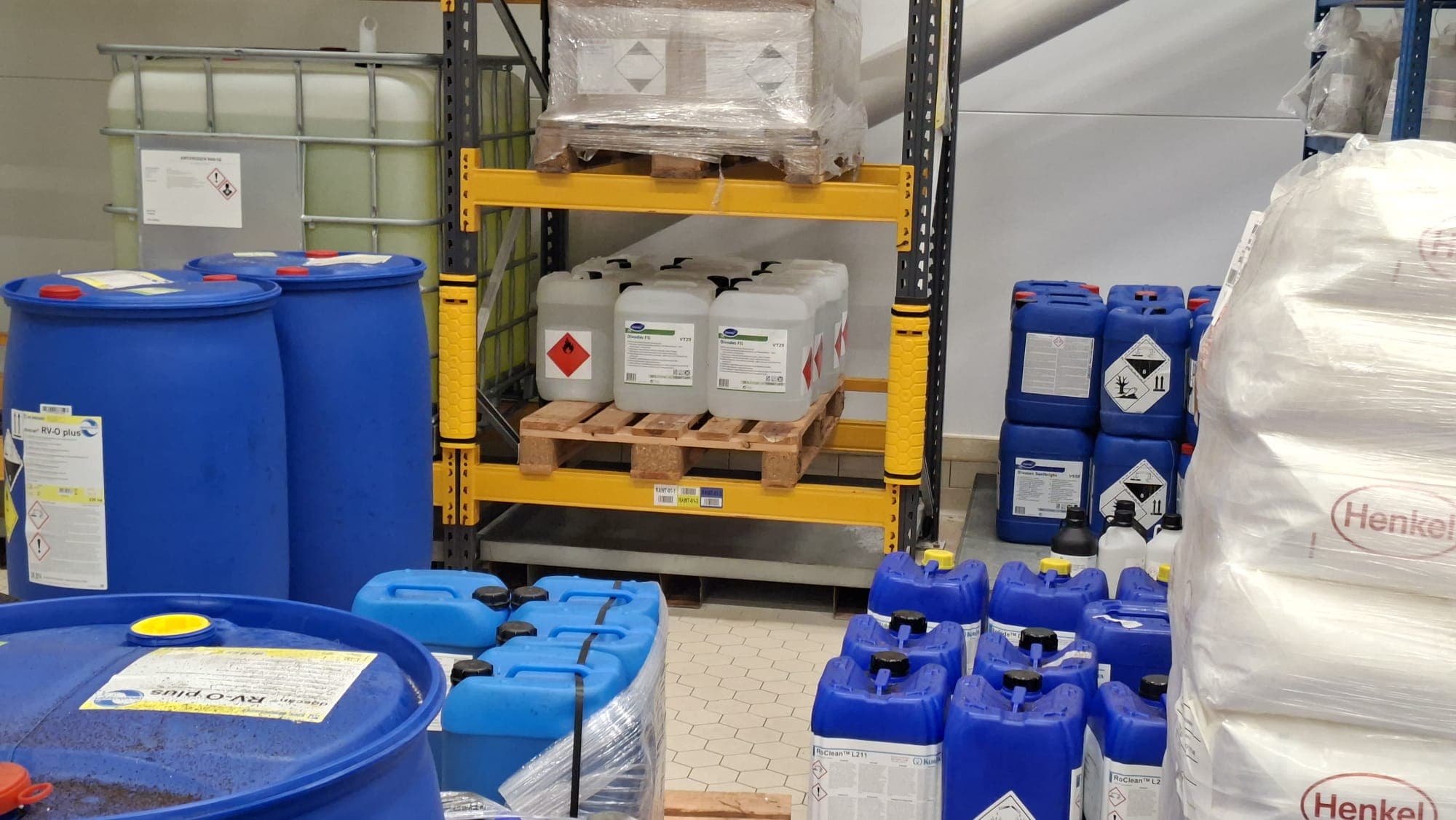
Identification of the ignition sources, fuel and oxygen present at each phase of the works, and how that picture changes as the programme advances.
Means of Escape
Escape routes appropriate to the works, including travel distances, protected routes where they exist, temporary routes and final exits that remain usable as the build progresses.
Raising the Alarm
The arrangements for detecting a fire and warning everyone on site, including temporary systems, manual arrangements and how they are tested.
Hot Works Control
Permit arrangements, fire watch requirements, separation of hot works from combustible materials and the post-work monitoring period.
Temporary Electrical Installations
Assessment of temporary supplies, distribution, lighting, heaters and battery charging arrangements, which are a recurring ignition source on live sites.
Site Accommodation
Siting, separation and construction of cabins and welfare units, together with their own detection, escape and smoking arrangements.
Waste and Combustible Materials
Storage, segregation and removal of combustible materials, packaging and waste, including the accumulation points that build up between collections.
Emergency Procedures
Muster points, roll call, site access for the fire and rescue service, water supplies and the route a fire appliance would actually take onto the site.
What You Receive
A construction phase fire plan written for the site team who have to use it, not only for the file it will be kept in.
Every action is graded, and the review triggers are tied to the programme so the plan is revisited at the points where the risk actually changes.
Included in the document
- A description of the site, the works and the phases the plan covers.
- Identified fire hazards and the people at risk from them.
- The fire safety measures in place at each phase, and the gaps between them.
- Hot works, temporary electrical and waste control arrangements.
- Escape, alarm and emergency procedures for the site as built at that point.
- A risk-based action plan with each action graded by priority.
- Review triggers, so the plan is revisited when the programme changes rather than when someone remembers.
Who We Work With
We work with the duty holders on live sites, from single refurbishment projects to multi-phase developments.
- Principal contractors and main contractors.
- Developers and client-side project teams.
- Refurbishment and fit-out contractors.
- Specialist subcontractors carrying their own duties.
- Site managers and site health and safety teams.
- Insurers and their clients, where cover depends on the arrangements in place.
Request a Construction Phase Fire Plan
Tell us the site, the nature of the works and the programme, and we will come back to you with a quotation.
Discuss your site fire safety requirements
Contact Hielaman Ltd today to discuss your project or request a quotation.
Request a Quotation