
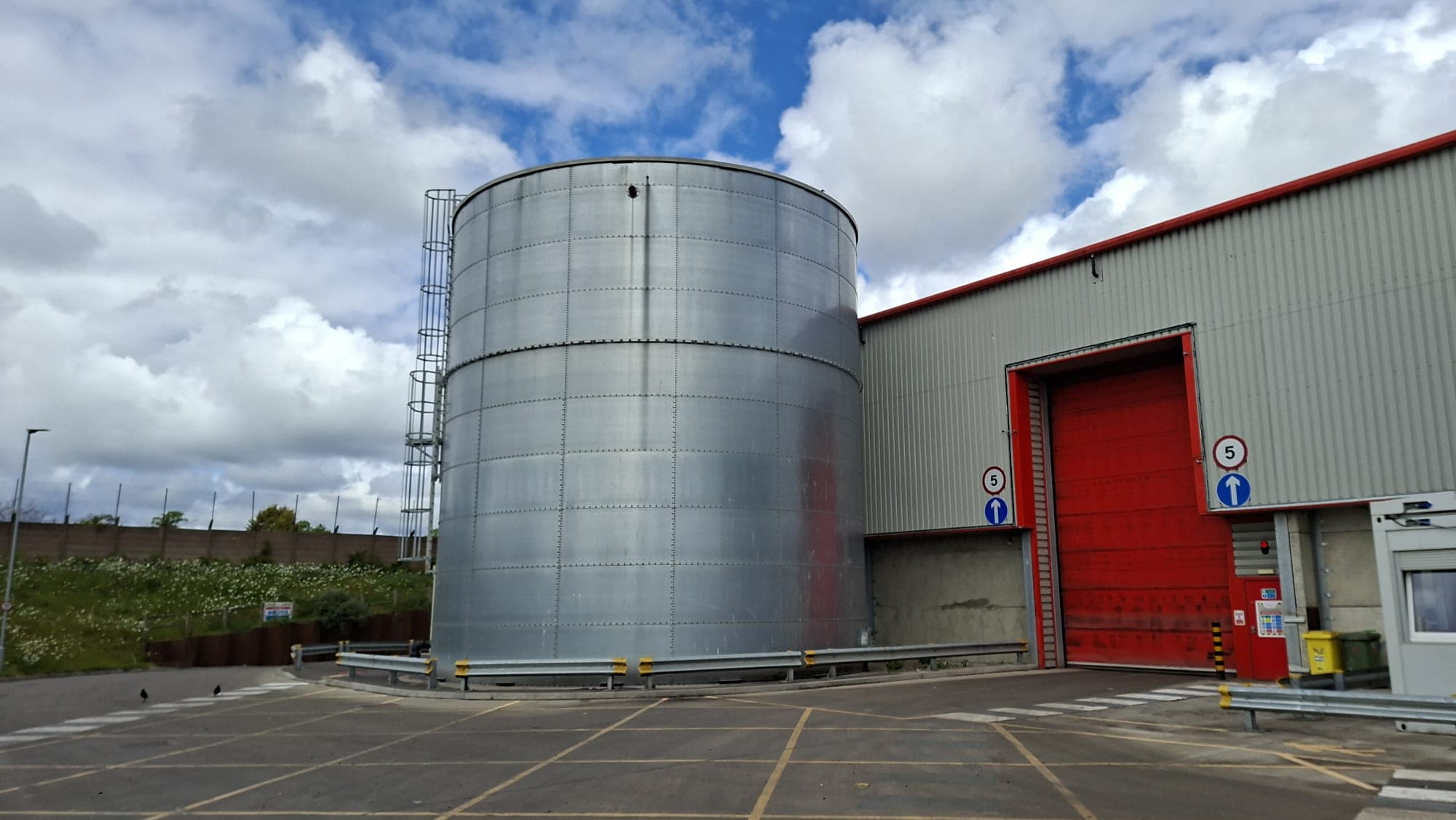
Hielaman was appointed to complete a DSEAR risk assessment and hazardous area classification for TW Metals, a metal processing facility based in Longbridge, Birmingham. The site is used for the storage, cutting, preparation and finishing of metal products, with activities including laser cutting, mechanical cutting, grinding and linishing of stainless steel and nickel components.
The assessment reviewed the storage and use of dangerous substances across the site, including external LPG cylinders for FLT fuel, nitrogen and oxygen cylinder packs for laser cutting, low-pressure natural gas within the gas intake room, flammable liquids and aerosols stored in COSHH cabinets, and combustible dusts generated from metal and wood processing activities.
What We Assessed
The project considered the following processes and risk areas across the site:
- External LPG cylinder storage for forklift truck fuel
- Nitrogen and oxygen cylinder storage serving laser cutting operations
- Low-pressure natural gas pipework within the gas intake room
- Gas-fired space heaters
- COSHH cabinets containing flammable liquids and aerosols
- Stainless steel and nickel grinding and linishing benches with integral LEV
- Wood processing bench with dust extraction
- Laser cutting equipment and general metalworking machinery
Key Findings
The assessment found that most site activities did not require hazardous area classification under normal operating conditions. The site benefited from generally good engineering controls, including effective local exhaust ventilation systems supported by recent test evidence.
However, localised hazardous areas were identified where a loss of containment or accumulation of flammable gas or combustible dust could reasonably occur under abnormal conditions.
Our Recommendations
Hielaman provided a clear, practical action plan, including:
- Confirming or improving ventilation to the gas intake room
- Reviewing the gas intake room hazardous area classification once ventilation is verified
- Maintaining clear access to gas isolation points
- Preventing the gas intake room from being used for storage
- Applying suitable gas isolation, hazardous area and ignition source warning signage
- Maintaining and evidencing LEV performance for grinding, linishing and dust-producing operations
- Keeping COSHH cabinet bunds clear and maintaining an up-to-date substance inventory
- Installing or maintaining LPG warning signage and full/empty cylinder identification
- Providing vehicle impact protection or clear demarcation around external gas cylinder storage
- Briefing relevant staff and contractors on DSEAR findings, zoning and local controls
Outcome
The completed assessment gave TW Metals a clear and proportionate understanding of its DSEAR risk profile. The report confirmed that the majority of normal operations were well controlled and did not require extensive hazardous zoning, while identifying targeted improvements to ventilation, signage, storage management and maintenance evidence.
This helped the client demonstrate compliance, reduce risk and prioritise practical actions without unnecessary disruption to production.