Hielaman Ltd has provided specialist fire safety and DSEAR consultancy to ITS, supporting the safe operation of its food manufacturing processes and facilities.
The site incorporates a range of production, storage and engineering activities involving combustible food powders, flammable liquids, gases and process equipment. These activities require careful consideration under the Dangerous Substances and Explosive Atmospheres Regulations (DSEAR), alongside the wider fire safety arrangements for the premises.
The Challenge
Food manufacturing environments can present complex fire and explosion risks. At ITS, manufacturing processes involve powdered ingredients including maltodextrin, maize starch and rice flour, together with liquid ingredients, flammable substances and associated process equipment.
The assessment therefore needed to consider both conventional fire hazards and the potential for explosive atmospheres arising from combustible dusts and flammable vapours. The objective was not simply to classify large areas of the facility as hazardous, but to consider where dangerous substances were actually released, how they were handled, the effectiveness of ventilation and extraction, and the likelihood of an explosive atmosphere occurring.
Our Approach
Hielaman carried out a detailed review of the site's processes and dangerous substances, considering:
- Combustible dust generation and accumulation
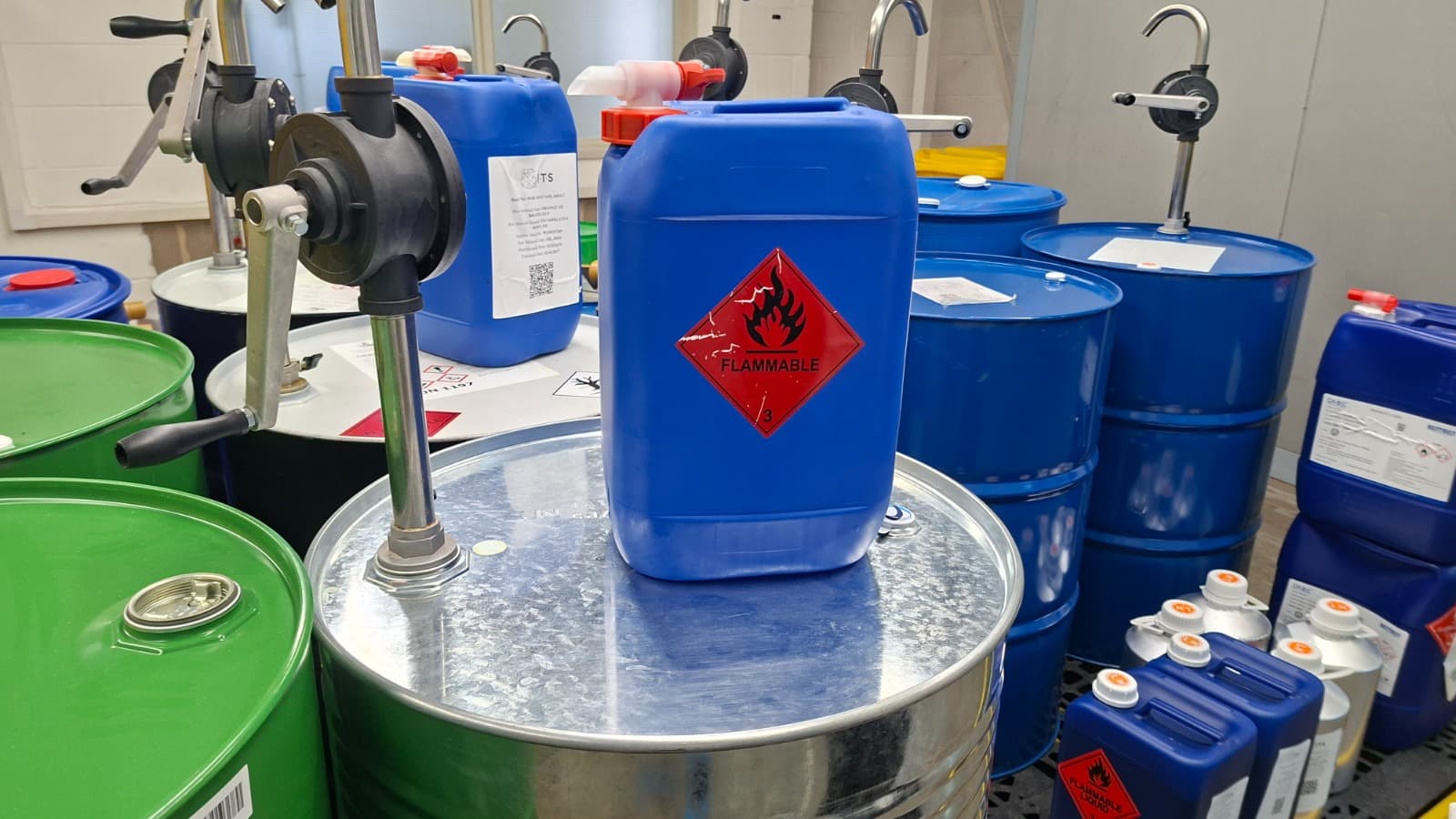
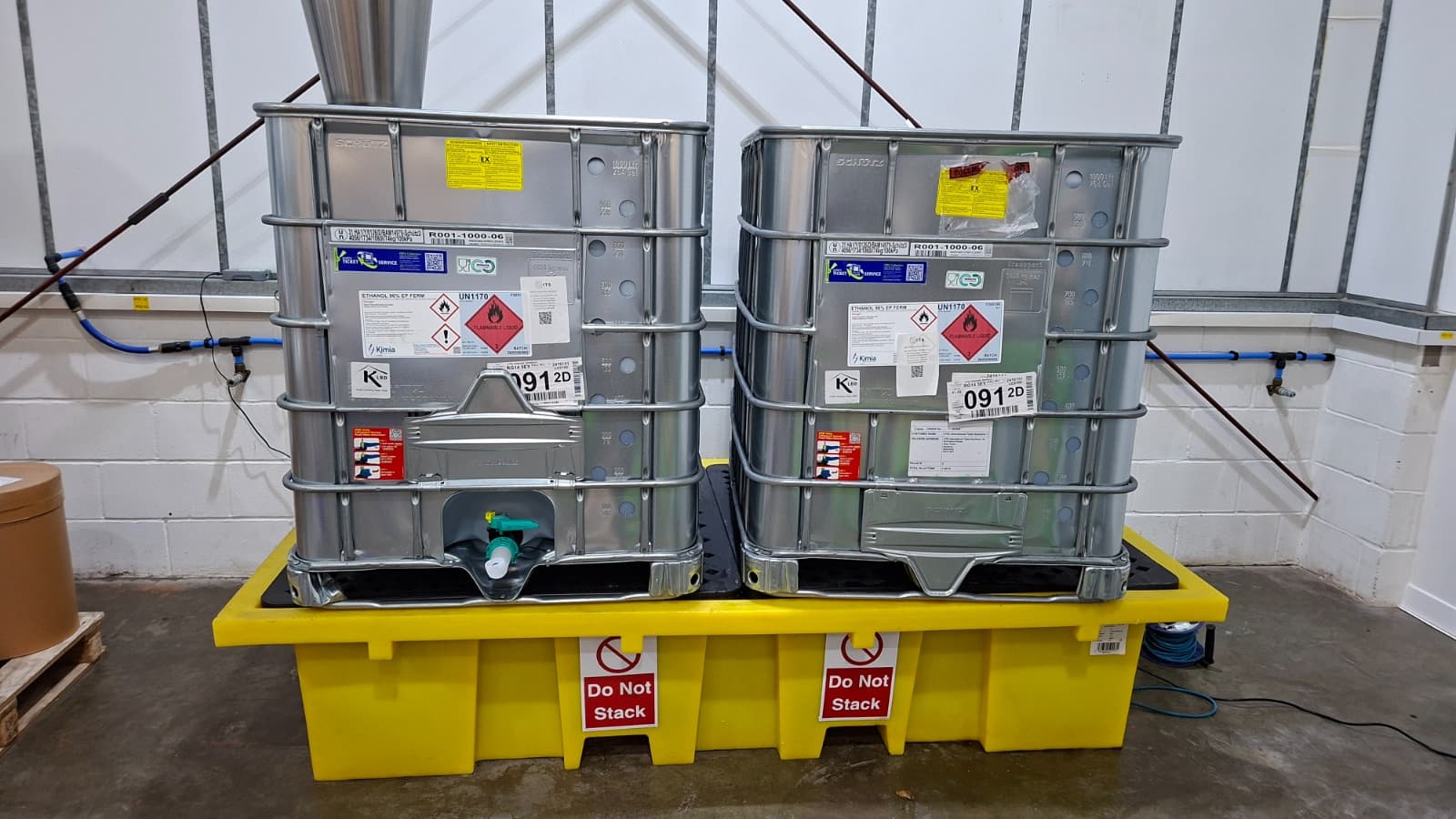
- Flammable-liquid storage, handling and processing
- Sources of release
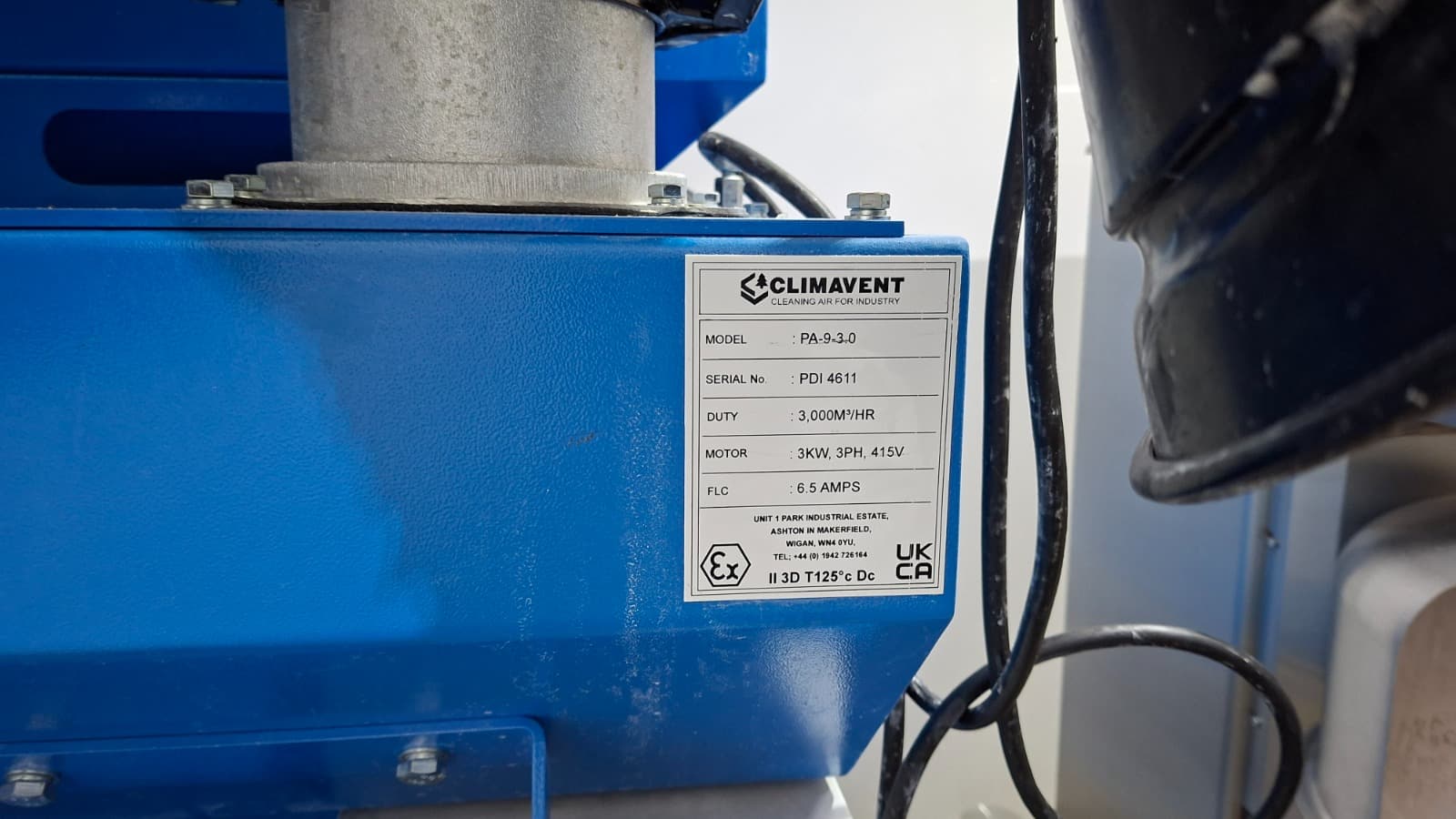
- Local exhaust ventilation and general ventilation
- Potential ignition sources
- Hazardous-area classification
- Suitability of electrical and process equipment
- Storage and segregation of dangerous substances
- Gas-cylinder storage
- Fire compartmentation and separation
- Housekeeping and management controls
- Emergency arrangements
Each significant process area was considered individually so that controls and hazardous-area classifications reflected the actual risk presented by the activity.
Combustible Dust
A key part of the assessment involved processes using combustible food powders. Powder handling activities were reviewed to identify where dust could be released during normal operation and where deposits could accumulate.
This allowed potentially hazardous locations to be identified and appropriate Zone 22 classifications and controls to be applied where necessary, rather than treating the wider production facility as a hazardous area. The assessment also considered extraction, housekeeping, ignition-source control and the management of accumulated combustible dust.
Flammable Liquids
Processes involving flammable liquids were assessed by considering the quantity present, method of handling, potential sources of release and available ventilation.
Particular attention was given to controlling vapours at source and preventing concentrations capable of forming an explosive atmosphere. This risk-based approach allows hazardous areas to be concentrated around credible sources of release while avoiding unnecessary ATEX classification of surrounding production areas where an explosive atmosphere is not reasonably expected.
Storage of Dangerous Substances
The assessment also considered the storage of flammable liquids, aerosols and gases across the facility. Recommendations addressed appropriate storage arrangements, separation, ventilation, spill containment, ignition-source control, signage and the quantities of dangerous substances retained within working areas.
External gas-cylinder storage and the potential hazardous areas around cylinder valves and connections were also considered.
Fire Safety Integration
DSEAR does not operate in isolation from general fire safety. The assessment therefore considered how dangerous-substance controls interacted with the site's wider fire precautions, including compartmentation, means of escape, fire detection, firefighting equipment and emergency procedures.
This provides ITS with a coordinated approach to managing both fire and explosion risks rather than treating the two disciplines separately.
Ongoing Design Support
Following our work at the existing facility, Hielaman has continued to support ITS and its project team with the development of its new food production facility.
Our involvement at design stage is allowing DSEAR, hazardous-area classification and fire engineering requirements to be considered before construction and installation of process equipment. This includes advice relating to combustible powders, flammable-liquid processing, ventilation and LEV, hazardous-area classification, fire compartmentation, process separation and fire protection.
Early involvement enables potential fire and explosion risks to be addressed through the design itself, rather than relying on retrospective modifications once a facility becomes operational.